
" height="50px" id="FxFzVmsRZ" width="50px"/><path d="M 0 0 L 14 16 L 28 0" fill="transparent" height="16px" id="ht2ZNHI8V" stroke-dasharray="" stroke-linecap="butt" stroke-linejoin="miter" stroke-miterlimit="10" stroke-width="5" stroke="rgb(126, 215, 92)" transform="translate(11.02 19)" width="28px"/></g></svg>)
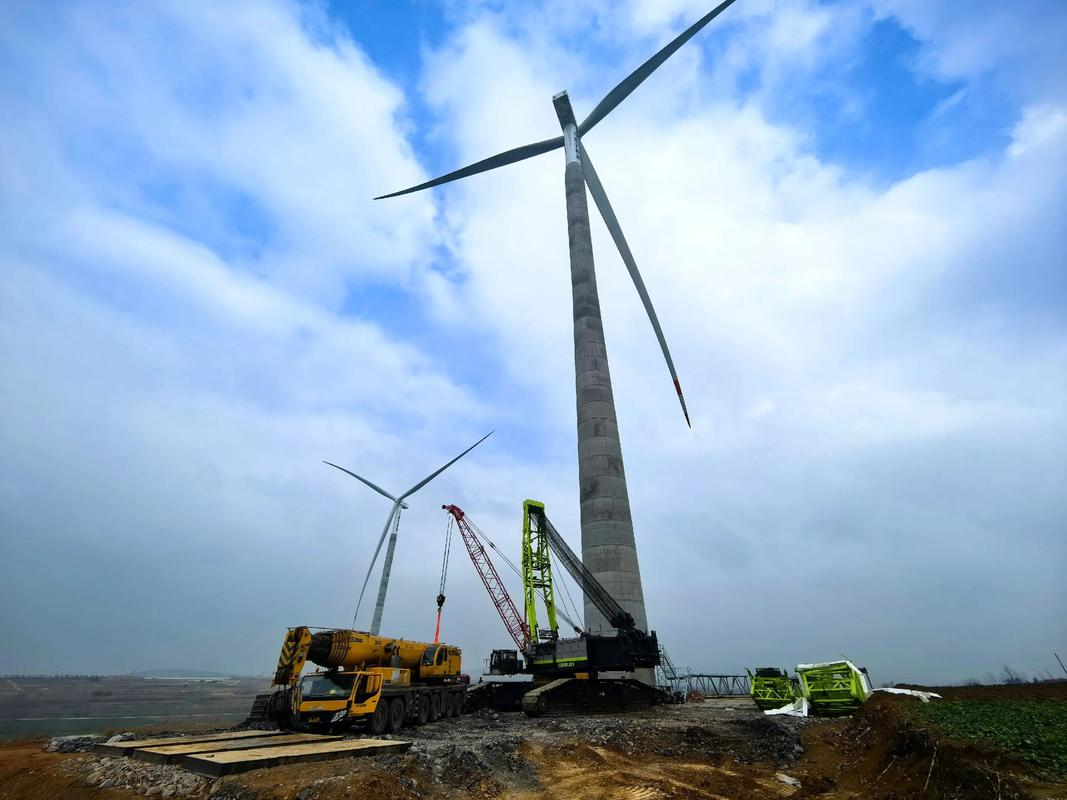
Sep 26, 2025
Advancements in Industrial-Scale Power Generation Solutions
Sep 26, 2025
Advancements in Industrial-Scale Power Generation Solutions
Sep 26, 2025
Advancements in Industrial-Scale Power Generation Solutions
In recent years, the world has witnessed a significant shift in how we generate power. As the demand for energy continues to rise, industries are looking for innovative solutions to meet their needs. This blog post explores the latest advancements in industrial-scale power generation solutions. We will discuss various technologies, their benefits, and how they are shaping the future of energy production.
In recent years, the world has witnessed a significant shift in how we generate power. As the demand for energy continues to rise, industries are looking for innovative solutions to meet their needs. This blog post explores the latest advancements in industrial-scale power generation solutions. We will discuss various technologies, their benefits, and how they are shaping the future of energy production.
In recent years, the world has witnessed a significant shift in how we generate power. As the demand for energy continues to rise, industries are looking for innovative solutions to meet their needs. This blog post explores the latest advancements in industrial-scale power generation solutions. We will discuss various technologies, their benefits, and how they are shaping the future of energy production.
The Growing Need for Efficient Power Generation
The global population is increasing, and so is the demand for energy. Industries require reliable power sources to operate efficiently. Traditional methods of power generation, such as coal and natural gas, are becoming less favorable due to environmental concerns. This has led to a surge in interest in cleaner, more sustainable energy solutions.
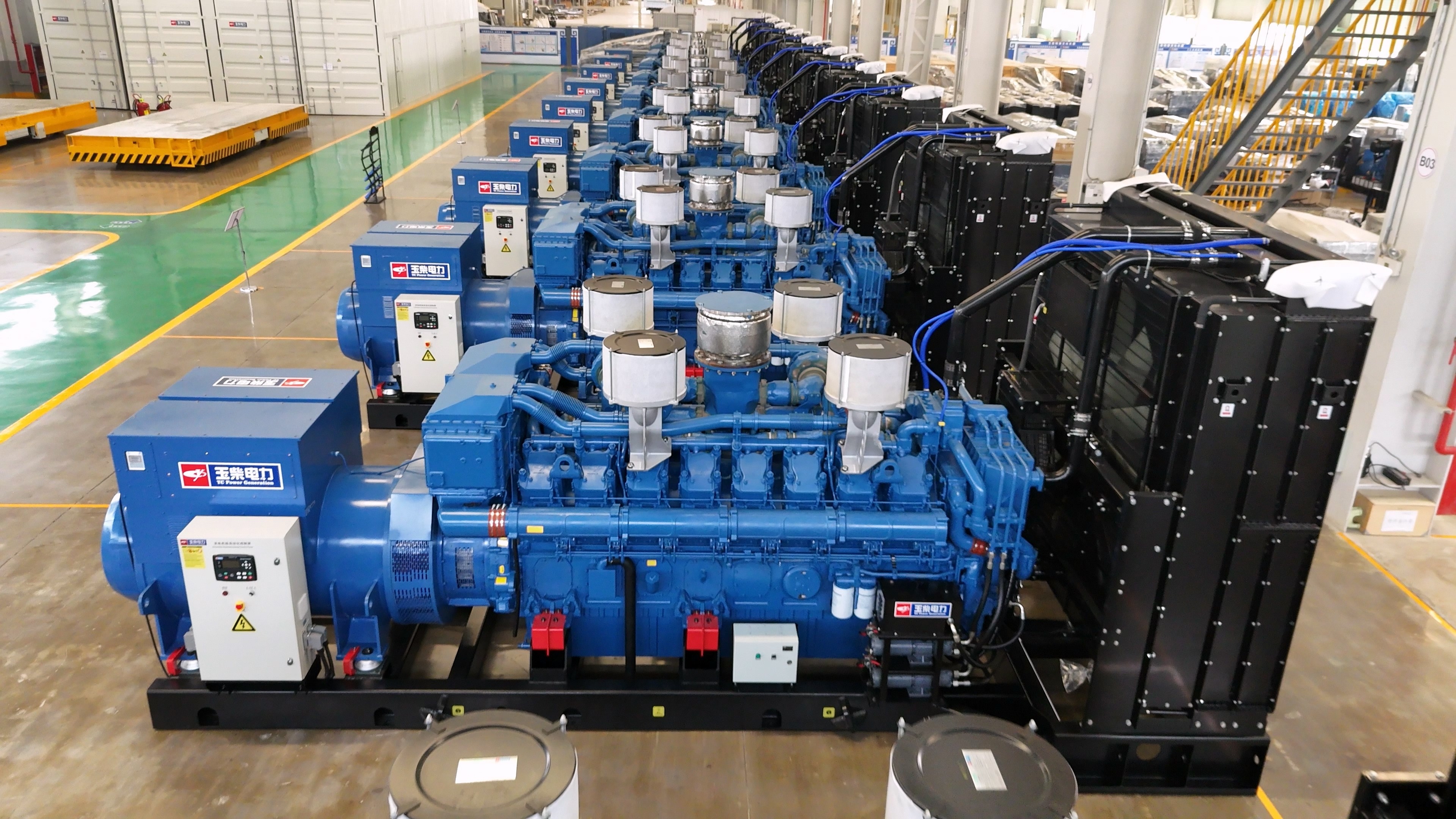
Renewable Energy Sources

Solar Power
Solar energy is harnessed from the sun's rays. It is one of the fastest-growing energy sources worldwide. Solar panels convert sunlight into electricity, making it a clean and renewable option.
Advantages:
Abundant and widely available
Low operating costs
Reduces carbon footprint
Challenges:
Initial installation costs can be high
Energy production is weather-dependent
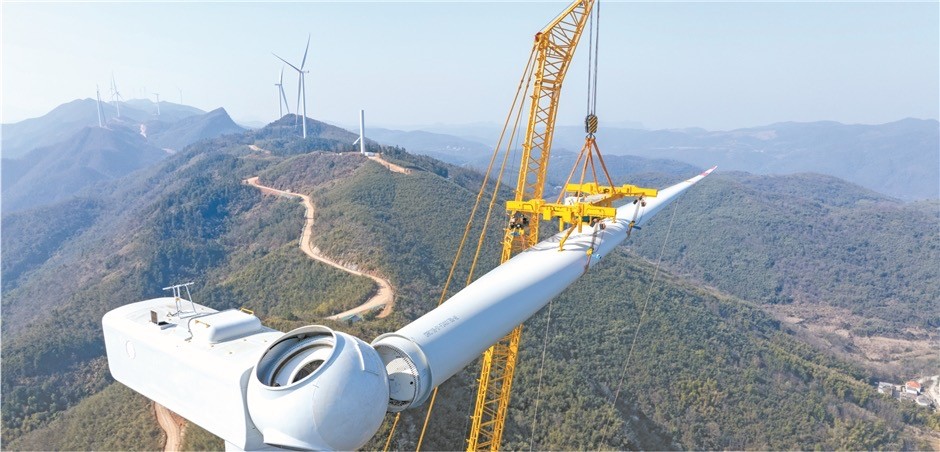
Wind Power
Wind energy is generated by converting the kinetic energy of wind into electricity. Wind turbines are installed in areas with high wind speeds to maximize energy production.
Advantages:
Clean and renewable
Can be installed on land or offshore
Low operational costs
Challenges:
Noise and aesthetic concerns
Impact on wildlife, particularly birds
Hydroelectric Power
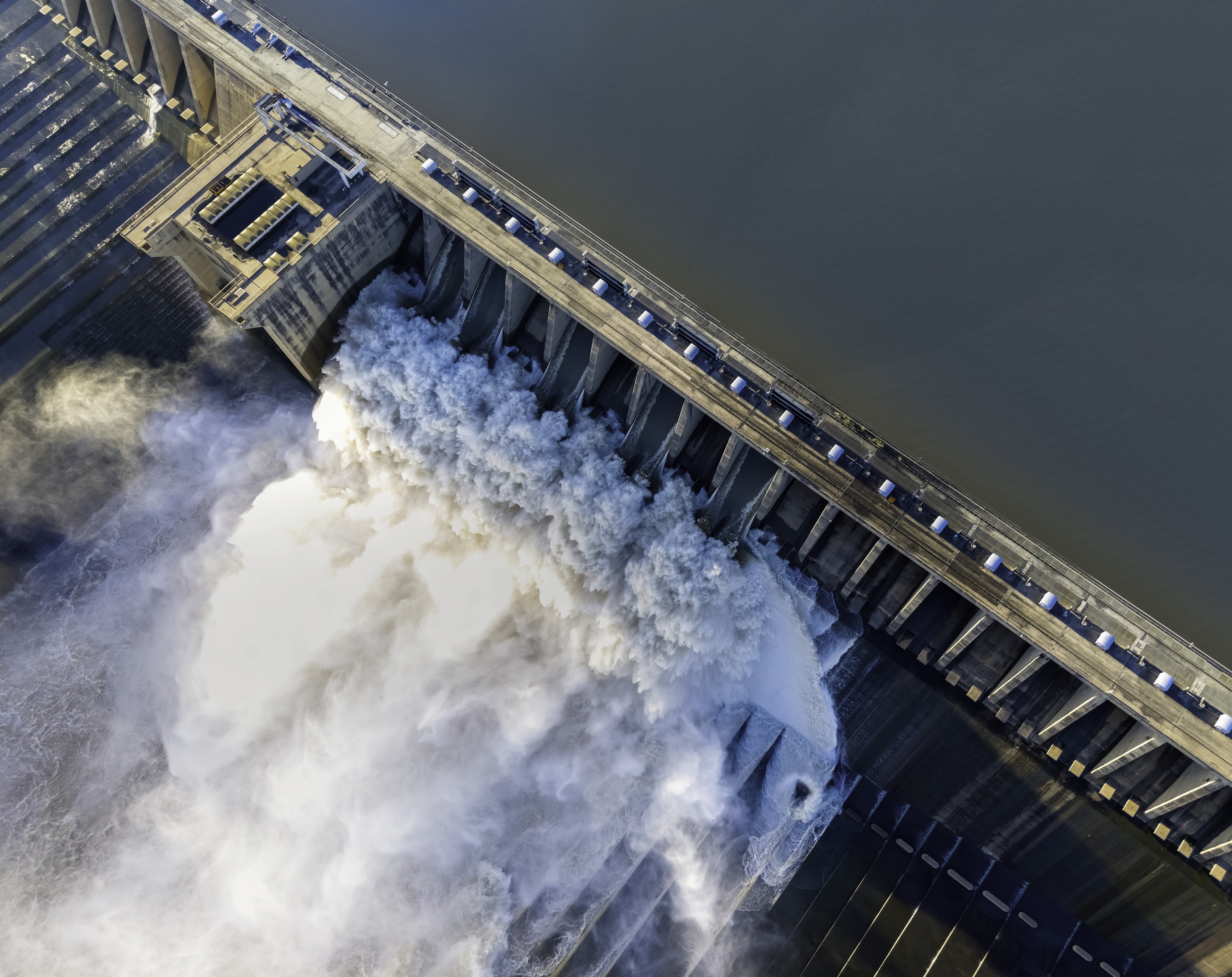
Hydroelectric power uses flowing water to generate electricity. Dams are built on rivers to create reservoirs, and the water flow is used to turn turbines.
Advantages:
Reliable and consistent energy source
Can provide flood control and water supply
Challenges:
Environmental impact on aquatic ecosystems
High initial construction costs
Geothermal Energy
Geothermal energy harnesses heat from the Earth’s core. It is a stable and reliable energy source, especially in regions with volcanic activity.
Advantages:
Low emissions
Provides a constant energy supply
Challenges:
Limited to specific geographic locations
High initial costs for drilling and infrastructure
Energy Storage Solutions
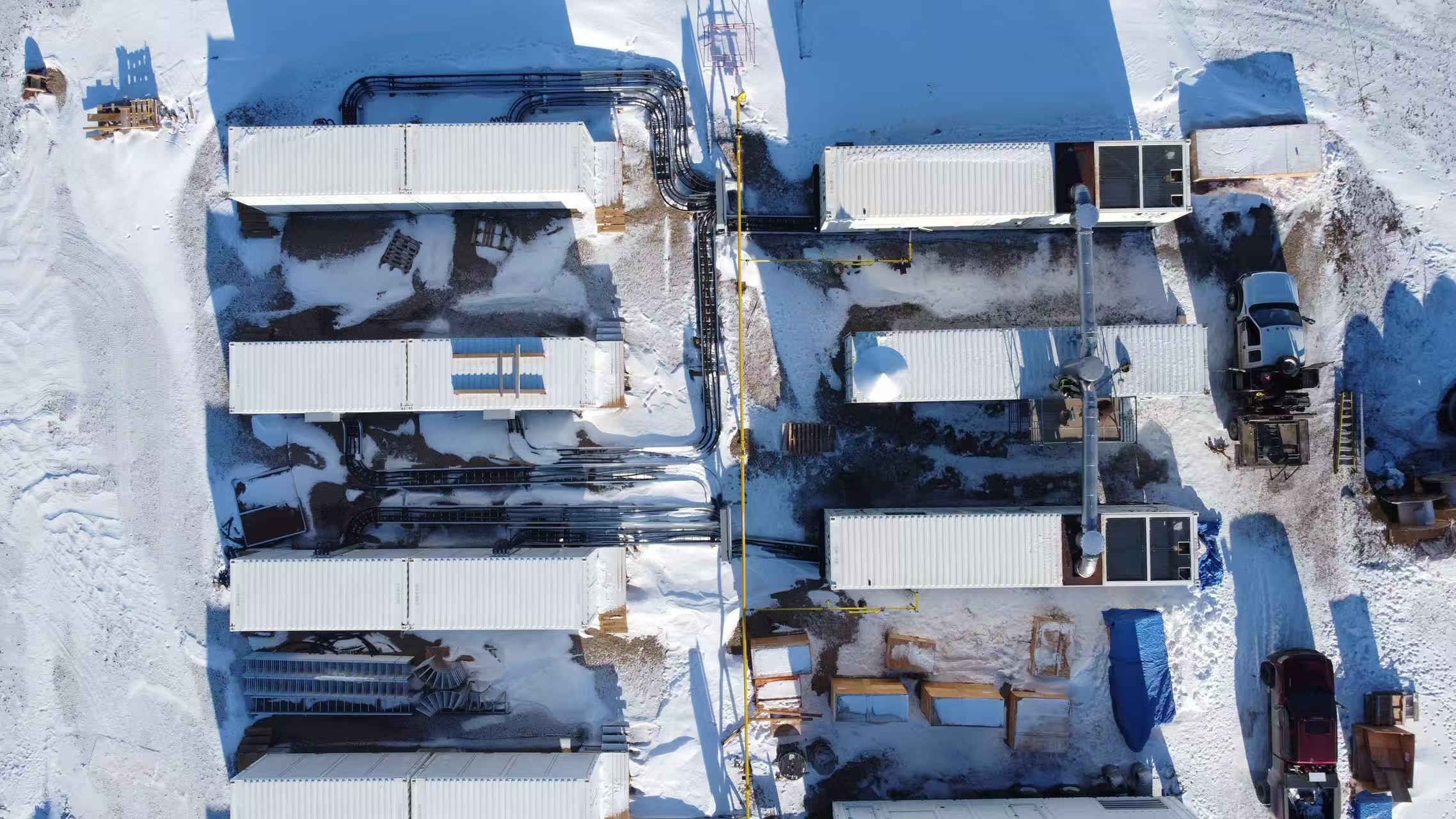
As renewable energy sources become more prevalent, energy storage solutions are essential. These technologies help store excess energy generated during peak production times for use during low production periods.
Battery Storage
Battery storage systems, such as lithium-ion batteries, are becoming increasingly popular. They store energy generated from renewable sources and release it when needed.
Advantages:
Quick response times
Scalable for various applications
Challenges:
Limited lifespan
Environmental concerns regarding battery disposal
Pumped Hydro Storage
Pumped hydro storage is a traditional method of energy storage. It involves pumping water to a higher elevation during low demand and releasing it to generate electricity during high demand.
Advantages:
Large-scale storage capacity
Long lifespan
Challenges:
Requires specific geographic conditions
High initial construction costs
Smart Grid Technology
Smart grid technology is revolutionizing how we manage and distribute electricity. It uses digital communication to monitor and control energy flows, improving efficiency and reliability.
Benefits of Smart Grids
Enhanced Reliability: Smart grids can quickly identify and isolate faults, reducing downtime.
Energy Efficiency: They optimize energy distribution, minimizing waste.
Integration of Renewables: Smart grids facilitate the integration of renewable energy sources into the existing grid.
Combined Heat and Power (CHP) Systems
Combined Heat and Power systems, also known as cogeneration, generate electricity and useful heat simultaneously. This technology increases overall efficiency and reduces emissions.
Benefits of Smart Grids
Higher Efficiency: CHP systems can achieve efficiencies of over 80%, compared to traditional systems that operate at around 50%.
Cost Savings: By utilizing waste heat, industries can reduce their energy costs.
Reduced Emissions: CHP systems lower greenhouse gas emissions compared to separate heat and power generation.
The Role of Artificial Intelligence
Artificial intelligence (AI) is playing a crucial role in optimizing power generation. AI algorithms can analyze vast amounts of data to improve efficiency and predict energy demand.
Applications of AI in Power Generation
Predictive Maintenance: AI can predict equipment failures before they occur, reducing downtime and maintenance costs.
Demand Forecasting: AI helps utilities forecast energy demand, allowing for better resource allocation.They optimize energy distribution, minimizing waste.
Grid Management: AI can optimize energy distribution in real-time, improving grid stability.
Case Studies of Successful Implementations
Several companies have successfully implemented advanced power generation solutions. Here are a few notable examples.
Tesla's Solar Roof
Tesla has developed a solar roof that integrates solar panels into roof tiles. This innovative solution allows homeowners to generate electricity while maintaining the aesthetic appeal of their homes.
Ørsted's Offshore Wind Farms
Ørsted, a leader in renewable energy, has invested heavily in offshore wind farms. Their projects have significantly increased the capacity for wind energy generation, contributing to a cleaner energy future.
Google’s Renewable Energy Initiatives
Google has committed to operating on 100% renewable energy. They have invested in solar and wind projects worldwide, showcasing how large corporations can lead the way in sustainable energy practices.
The Future of Power Generation
The future of industrial-scale power generation looks promising. As technology continues to advance, we can expect more efficient, cleaner, and sustainable energy solutions.
Key Trends to Watch
Increased Investment in Renewables: Governments and businesses are investing more in renewable energy projects.
Advancements in Energy Storage: New technologies will improve energy storage capabilities, making renewables more reliable.
Decentralized Energy Systems: The rise of microgrids and localized energy production will change how we think about power generation.
Embracing Change for a Sustainable Future
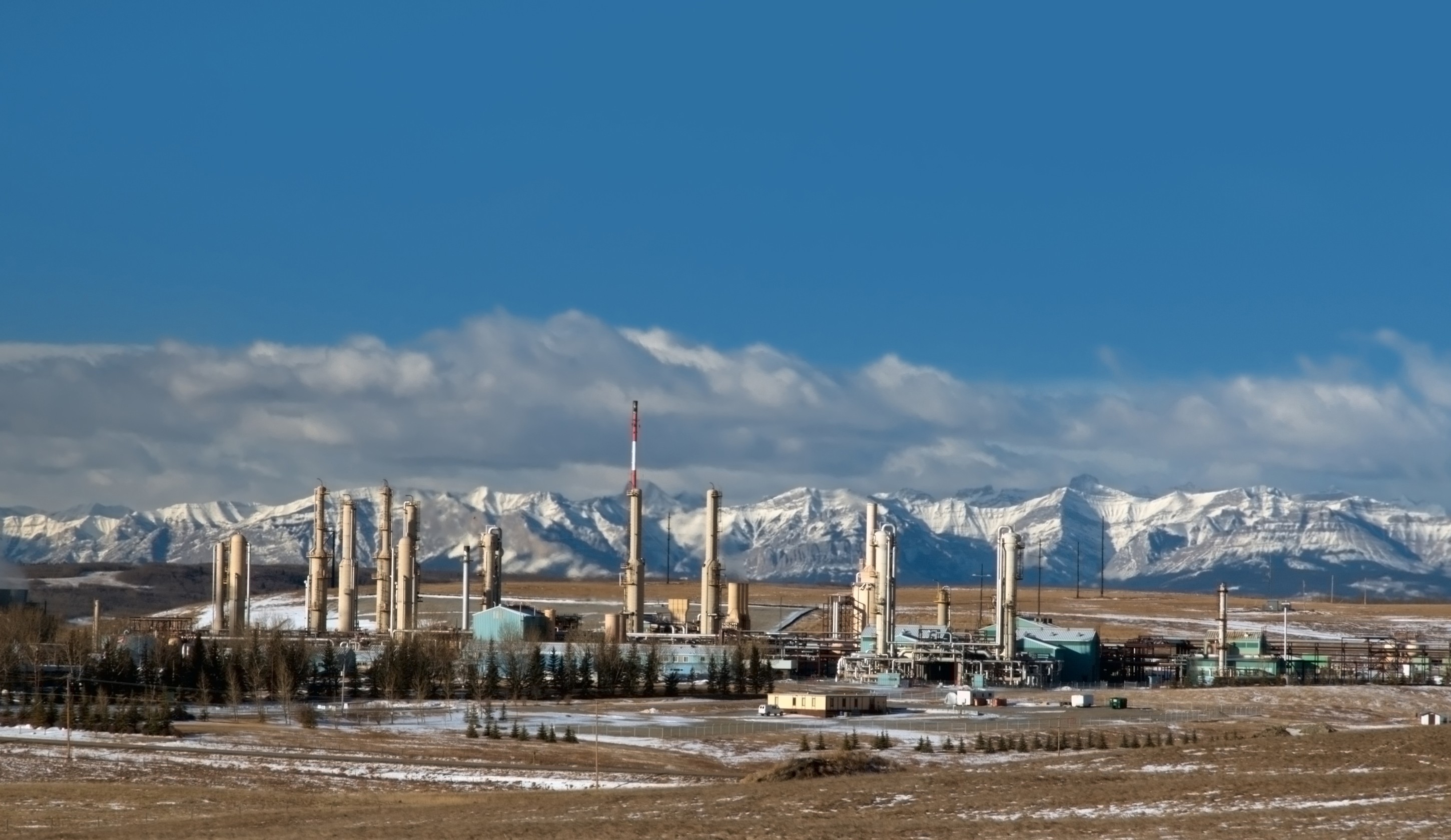
The advancements in industrial-scale power generation solutions are paving the way for a more sustainable future. By embracing renewable energy sources, improving energy storage, and leveraging smart technologies, we can create a cleaner, more efficient energy landscape.
As industries continue to innovate and adapt, the transition to sustainable power generation will not only benefit the environment but also enhance energy security and economic growth. The journey towards a greener future is underway, and it is an exciting time to be part of this transformation.
The advancements in power generation are not just about technology; they are about creating a sustainable world for future generations. By staying informed and engaged, we can all contribute to this vital cause.
For more information about Radiant Ridge Energy's renewable energy solutions and project capabilities, contact our business development team.
The Growing Need for Efficient Power Generation
The global population is increasing, and so is the demand for energy. Industries require reliable power sources to operate efficiently. Traditional methods of power generation, such as coal and natural gas, are becoming less favorable due to environmental concerns. This has led to a surge in interest in cleaner, more sustainable energy solutions.
Renewable Energy Sources
Solar Power
Solar energy is harnessed from the sun's rays. It is one of the fastest-growing energy sources worldwide. Solar panels convert sunlight into electricity, making it a clean and renewable option.
Advantages:
Abundant and widely available
Low operating costs
Reduces carbon footprint
Challenges:
Initial installation costs can be high
Energy production is weather-dependent
Wind Power
Wind energy is generated by converting the kinetic energy of wind into electricity. Wind turbines are installed in areas with high wind speeds to maximize energy production.
Advantages:
Clean and renewable
Can be installed on land or offshore
Low operational costs
Challenges:
Noise and aesthetic concerns
Impact on wildlife, particularly birds
Hydroelectric Power
Hydroelectric power uses flowing water to generate electricity. Dams are built on rivers to create reservoirs, and the water flow is used to turn turbines.
Advantages:
Reliable and consistent energy source
Can provide flood control and water supply
Challenges:
Environmental impact on aquatic ecosystems
High initial construction costs
Geothermal Energy
Geothermal energy harnesses heat from the Earth’s core. It is a stable and reliable energy source, especially in regions with volcanic activity.
Advantages:
Low emissions
Provides a constant energy supply
Challenges:
Limited to specific geographic locations
High initial costs for drilling and infrastructure
Energy Storage Solutions
As renewable energy sources become more prevalent, energy storage solutions are essential. These technologies help store excess energy generated during peak production times for use during low production periods.
Battery Storage
Battery storage systems, such as lithium-ion batteries, are becoming increasingly popular. They store energy generated from renewable sources and release it when needed.
Advantages:
Quick response times
Scalable for various applications
Challenges:
Limited lifespan
Environmental concerns regarding battery disposal
Pumped Hydro Storage
Pumped hydro storage is a traditional method of energy storage. It involves pumping water to a higher elevation during low demand and releasing it to generate electricity during high demand.
Advantages:
Large-scale storage capacity
Long lifespan
Challenges:
Requires specific geographic conditions
High initial construction costs
Smart Grid Technology
Smart grid technology is revolutionizing how we manage and distribute electricity. It uses digital communication to monitor and control energy flows, improving efficiency and reliability.
Benefits of Smart Grids
Enhanced Reliability: Smart grids can quickly identify and isolate faults, reducing downtime.
Energy Efficiency: They optimize energy distribution, minimizing waste.
Integration of Renewables: Smart grids facilitate the integration of renewable energy sources into the existing grid.
Combined Heat and Power (CHP) Systems
Combined Heat and Power systems, also known as cogeneration, generate electricity and useful heat simultaneously. This technology increases overall efficiency and reduces emissions.
Benefits of Smart Grids
Higher Efficiency: CHP systems can achieve efficiencies of over 80%, compared to traditional systems that operate at around 50%.
Cost Savings: By utilizing waste heat, industries can reduce their energy costs.
Reduced Emissions: CHP systems lower greenhouse gas emissions compared to separate heat and power generation.
The Role of Artificial Intelligence
Artificial intelligence (AI) is playing a crucial role in optimizing power generation. AI algorithms can analyze vast amounts of data to improve efficiency and predict energy demand.
Applications of AI in Power Generation
Predictive Maintenance: AI can predict equipment failures before they occur, reducing downtime and maintenance costs.
Demand Forecasting: AI helps utilities forecast energy demand, allowing for better resource allocation.They optimize energy distribution, minimizing waste.
Grid Management: AI can optimize energy distribution in real-time, improving grid stability.
Case Studies of Successful Implementations
Several companies have successfully implemented advanced power generation solutions. Here are a few notable examples.
Tesla's Solar Roof
Tesla has developed a solar roof that integrates solar panels into roof tiles. This innovative solution allows homeowners to generate electricity while maintaining the aesthetic appeal of their homes.
Ørsted's Offshore Wind Farms
Ørsted, a leader in renewable energy, has invested heavily in offshore wind farms. Their projects have significantly increased the capacity for wind energy generation, contributing to a cleaner energy future.
Google’s Renewable Energy Initiatives
Google has committed to operating on 100% renewable energy. They have invested in solar and wind projects worldwide, showcasing how large corporations can lead the way in sustainable energy practices.
The Future of Power Generation
The future of industrial-scale power generation looks promising. As technology continues to advance, we can expect more efficient, cleaner, and sustainable energy solutions.
Key Trends to Watch
Increased Investment in Renewables: Governments and businesses are investing more in renewable energy projects.
Advancements in Energy Storage: New technologies will improve energy storage capabilities, making renewables more reliable.
Decentralized Energy Systems: The rise of microgrids and localized energy production will change how we think about power generation.
Embracing Change for a Sustainable Future
The advancements in industrial-scale power generation solutions are paving the way for a more sustainable future. By embracing renewable energy sources, improving energy storage, and leveraging smart technologies, we can create a cleaner, more efficient energy landscape.
As industries continue to innovate and adapt, the transition to sustainable power generation will not only benefit the environment but also enhance energy security and economic growth. The journey towards a greener future is underway, and it is an exciting time to be part of this transformation.
The advancements in power generation are not just about technology; they are about creating a sustainable world for future generations. By staying informed and engaged, we can all contribute to this vital cause.
For more information about Radiant Ridge Energy's renewable energy solutions and project capabilities, contact our business development team.
The Growing Need for Efficient Power Generation
The global population is increasing, and so is the demand for energy. Industries require reliable power sources to operate efficiently. Traditional methods of power generation, such as coal and natural gas, are becoming less favorable due to environmental concerns. This has led to a surge in interest in cleaner, more sustainable energy solutions.
Renewable Energy Sources
Solar Power
Solar energy is harnessed from the sun's rays. It is one of the fastest-growing energy sources worldwide. Solar panels convert sunlight into electricity, making it a clean and renewable option.
Advantages:
Abundant and widely available
Low operating costs
Reduces carbon footprint
Challenges:
Initial installation costs can be high
Energy production is weather-dependent
Wind Power
Wind energy is generated by converting the kinetic energy of wind into electricity. Wind turbines are installed in areas with high wind speeds to maximize energy production.
Advantages:
Clean and renewable
Can be installed on land or offshore
Low operational costs
Challenges:
Noise and aesthetic concerns
Impact on wildlife, particularly birds
Hydroelectric Power
Hydroelectric power uses flowing water to generate electricity. Dams are built on rivers to create reservoirs, and the water flow is used to turn turbines.
Advantages:
Reliable and consistent energy source
Can provide flood control and water supply
Challenges:
Environmental impact on aquatic ecosystems
High initial construction costs
Geothermal Energy
Geothermal energy harnesses heat from the Earth’s core. It is a stable and reliable energy source, especially in regions with volcanic activity.
Advantages:
Low emissions
Provides a constant energy supply
Challenges:
Limited to specific geographic locations
High initial costs for drilling and infrastructure
Energy Storage Solutions
As renewable energy sources become more prevalent, energy storage solutions are essential. These technologies help store excess energy generated during peak production times for use during low production periods.
Battery Storage
Battery storage systems, such as lithium-ion batteries, are becoming increasingly popular. They store energy generated from renewable sources and release it when needed.
Advantages:
Quick response times
Scalable for various applications
Challenges:
Limited lifespan
Environmental concerns regarding battery disposal
Pumped Hydro Storage
Pumped hydro storage is a traditional method of energy storage. It involves pumping water to a higher elevation during low demand and releasing it to generate electricity during high demand.
Advantages:
Large-scale storage capacity
Long lifespan
Challenges:
Requires specific geographic conditions
High initial construction costs
Smart Grid Technology
Smart grid technology is revolutionizing how we manage and distribute electricity. It uses digital communication to monitor and control energy flows, improving efficiency and reliability.
Benefits of Smart Grids
Enhanced Reliability: Smart grids can quickly identify and isolate faults, reducing downtime.
Energy Efficiency: They optimize energy distribution, minimizing waste.
Integration of Renewables: Smart grids facilitate the integration of renewable energy sources into the existing grid.
Combined Heat and Power (CHP) Systems
Combined Heat and Power systems, also known as cogeneration, generate electricity and useful heat simultaneously. This technology increases overall efficiency and reduces emissions.
Benefits of Smart Grids
Higher Efficiency: CHP systems can achieve efficiencies of over 80%, compared to traditional systems that operate at around 50%.
Cost Savings: By utilizing waste heat, industries can reduce their energy costs.
Reduced Emissions: CHP systems lower greenhouse gas emissions compared to separate heat and power generation.
The Role of Artificial Intelligence
Artificial intelligence (AI) is playing a crucial role in optimizing power generation. AI algorithms can analyze vast amounts of data to improve efficiency and predict energy demand.
Applications of AI in Power Generation
Predictive Maintenance: AI can predict equipment failures before they occur, reducing downtime and maintenance costs.
Demand Forecasting: AI helps utilities forecast energy demand, allowing for better resource allocation.They optimize energy distribution, minimizing waste.
Grid Management: AI can optimize energy distribution in real-time, improving grid stability.
Case Studies of Successful Implementations
Several companies have successfully implemented advanced power generation solutions. Here are a few notable examples.
Tesla's Solar Roof
Tesla has developed a solar roof that integrates solar panels into roof tiles. This innovative solution allows homeowners to generate electricity while maintaining the aesthetic appeal of their homes.
Ørsted's Offshore Wind Farms
Ørsted, a leader in renewable energy, has invested heavily in offshore wind farms. Their projects have significantly increased the capacity for wind energy generation, contributing to a cleaner energy future.
Google’s Renewable Energy Initiatives
Google has committed to operating on 100% renewable energy. They have invested in solar and wind projects worldwide, showcasing how large corporations can lead the way in sustainable energy practices.
The Future of Power Generation
The future of industrial-scale power generation looks promising. As technology continues to advance, we can expect more efficient, cleaner, and sustainable energy solutions.
Key Trends to Watch
Increased Investment in Renewables: Governments and businesses are investing more in renewable energy projects.
Advancements in Energy Storage: New technologies will improve energy storage capabilities, making renewables more reliable.
Decentralized Energy Systems: The rise of microgrids and localized energy production will change how we think about power generation.
Embracing Change for a Sustainable Future
The advancements in industrial-scale power generation solutions are paving the way for a more sustainable future. By embracing renewable energy sources, improving energy storage, and leveraging smart technologies, we can create a cleaner, more efficient energy landscape.
As industries continue to innovate and adapt, the transition to sustainable power generation will not only benefit the environment but also enhance energy security and economic growth. The journey towards a greener future is underway, and it is an exciting time to be part of this transformation.
The advancements in power generation are not just about technology; they are about creating a sustainable world for future generations. By staying informed and engaged, we can all contribute to this vital cause.
For more information about Radiant Ridge Energy's renewable energy solutions and project capabilities, contact our business development team.
Company Updates & Latest News
Official announcements related to Radiant Ridge Energy’s development activities, partnerships, and corporate milestones.
Company Updates & Latest News
Official announcements related to Radiant Ridge Energy’s development activities, partnerships, and corporate milestones.
Company Updates & Latest News
Official announcements related to Radiant Ridge Energy’s development activities, partnerships, and corporate milestones.
Dec. 03, 2025
RRE Signs Strategic Partnership with Yuchai International for 1GW North American…
2 min read
Radiant Ridge Energy Ltd., a Calgary-based energy infrastructure developer, has entered into a…
Learn More
Sep 26, 2025
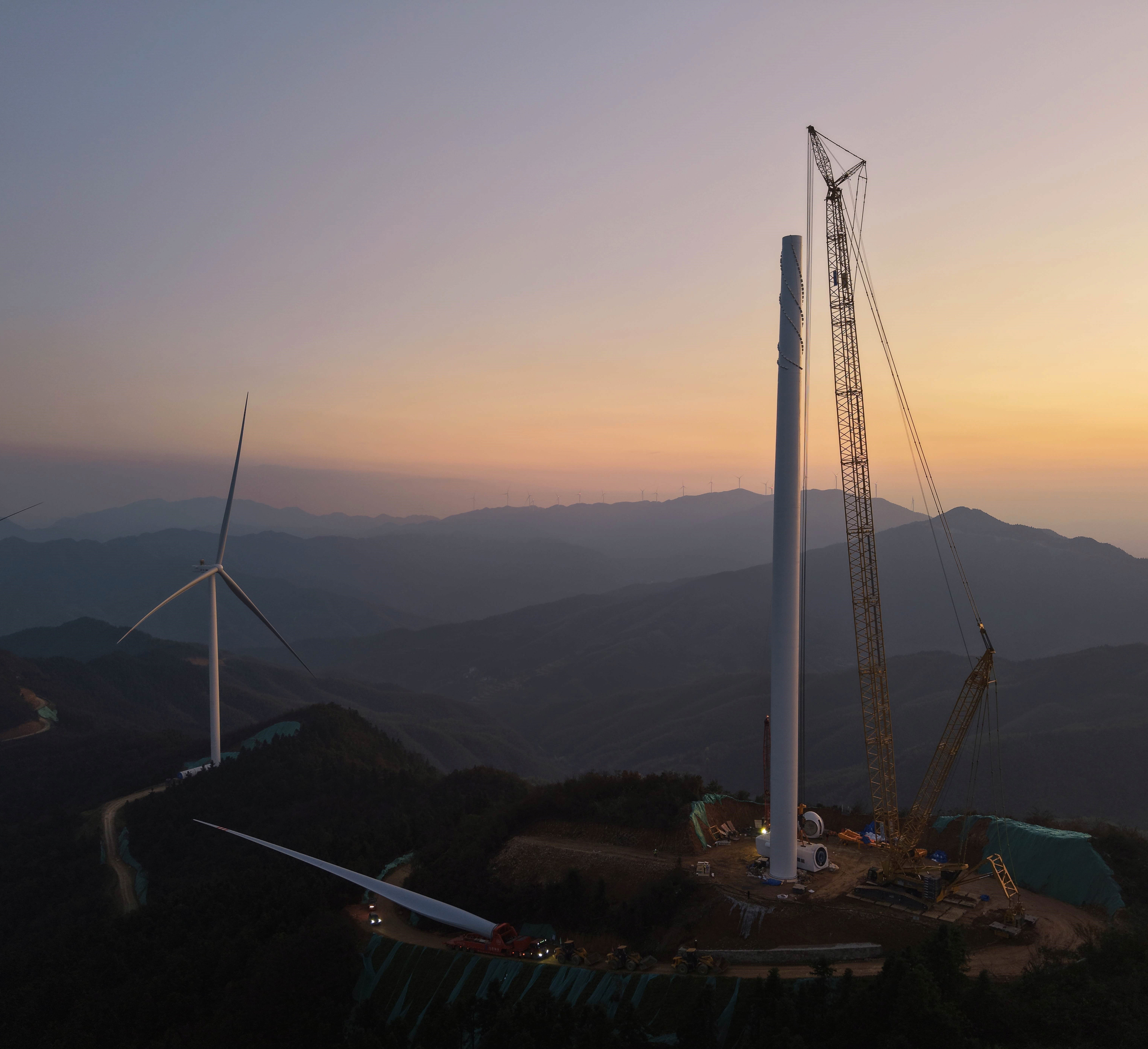
Radiant Ridge Energy Group Delivers Major 1.606 GW Wind Project in China
2 min read
We are proud to announce the successful delivery of our landmark 1.606 GW wind power project…
Learn More
Dec. 03, 2025
RRE Signs Strategic Partnership with Yuchai International for 1GW North American…
2 min read
Radiant Ridge Energy Ltd., a Calgary-based energy infrastructure developer, has entered into a…
Learn More
Sep 26, 2025
Radiant Ridge Energy Group Delivers Major 1.606 GW Wind Project in China
2 min read
We are proud to announce the successful delivery of our landmark 1.606 GW wind power project…
Learn More
Dec. 03, 2025
RRE Signs Strategic Partnership with Yuchai International for 1GW North American…
2 min read
Radiant Ridge Energy Ltd., a Calgary-based energy infrastructure developer, has entered into a…
Learn More
Sep 26, 2025
Radiant Ridge Energy Group Delivers Major 1.606 GW Wind Project in China
2 min read
We are proud to announce the successful delivery of our landmark 1.606 GW wind power project…
Learn More

Radiant Ridge Energy Limited, in the spirit of reconciliation, respectfully recognizes that our operations take place on the ancestral lands governed by Treaty 7, home to the Siksika, Kainai, Piikani, Tsuut'ina, and Stoney Nakoda (Chiniki, Bearspaw, and Wesley) Nations, as well as the Métis Nation of Alberta. We honor the Indigenous peoples who have cared for and lived on these lands since time immemorial, and we pay tribute to their past, present, and future generations. This acknowledgment reflects our commitment to building respectful relationships, honoring treaty obligations, and supporting Indigenous sovereignty and self-determination.
© 2026 Radiant Ridge Energy Limited. All rights reserved.
Radiant Ridge Energy Limited, in the spirit of reconciliation, respectfully recognizes that our operations take place on the ancestral lands governed by Treaty 7, home to the Siksika, Kainai, Piikani, Tsuut'ina, and Stoney Nakoda (Chiniki, Bearspaw, and Wesley) Nations, as well as the Métis Nation of Alberta. We honor the Indigenous peoples who have cared for and lived on these lands since time immemorial, and we pay tribute to their past, present, and future generations. This acknowledgment reflects our commitment to building respectful relationships, honoring treaty obligations, and supporting Indigenous sovereignty and self-determination.
© 2026 Radiant Ridge Energy Limited. All rights reserved.
Radiant Ridge Energy Limited, in the spirit of reconciliation, respectfully recognizes that our operations take place on the ancestral lands governed by Treaty 7, home to the Siksika, Kainai, Piikani, Tsuut'ina, and Stoney Nakoda (Chiniki, Bearspaw, and Wesley) Nations, as well as the Métis Nation of Alberta. We honor the Indigenous peoples who have cared for and lived on these lands since time immemorial, and we pay tribute to their past, present, and future generations. This acknowledgment reflects our commitment to building respectful relationships, honoring treaty obligations, and supporting Indigenous sovereignty and self-determination.
© 2026 Radiant Ridge Energy Limited. All rights reserved.